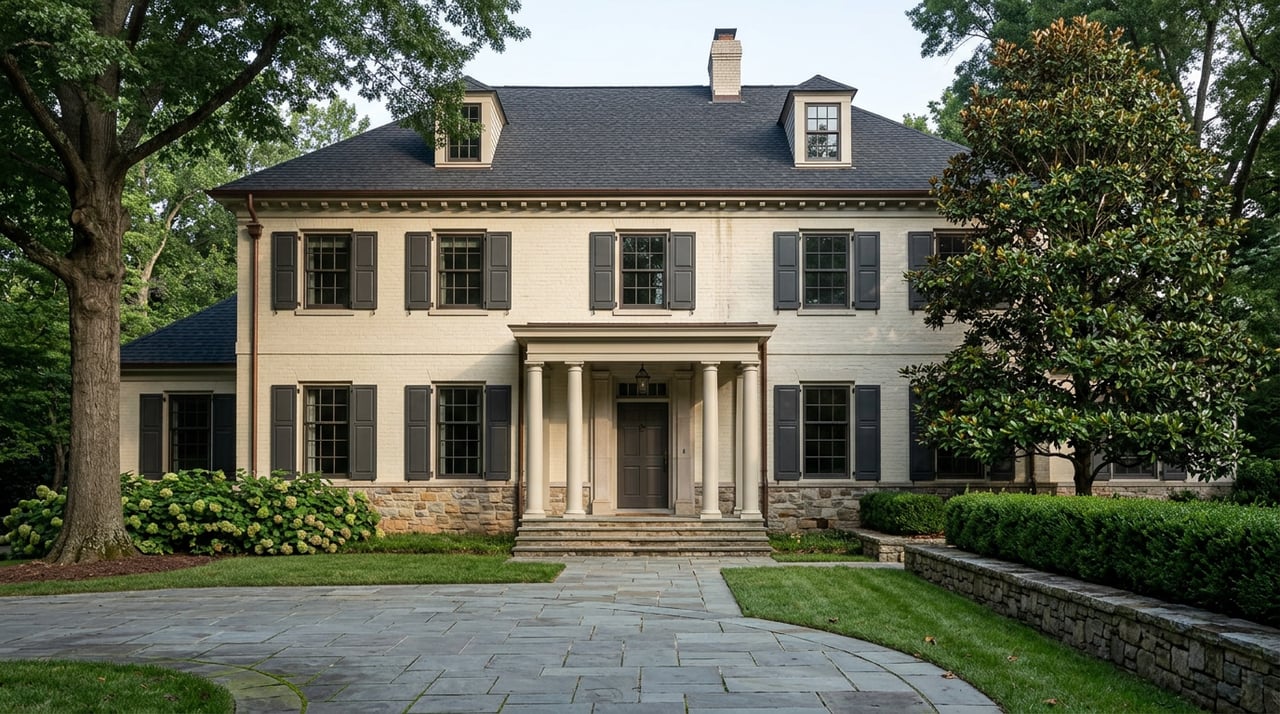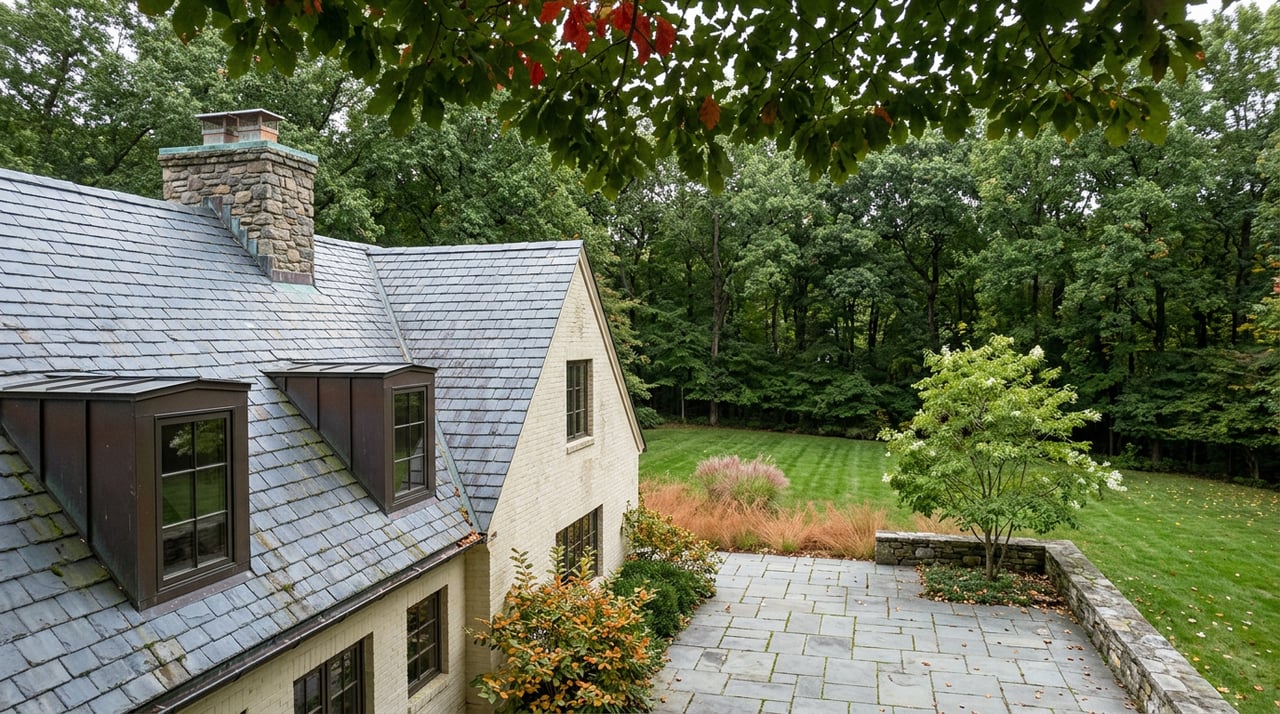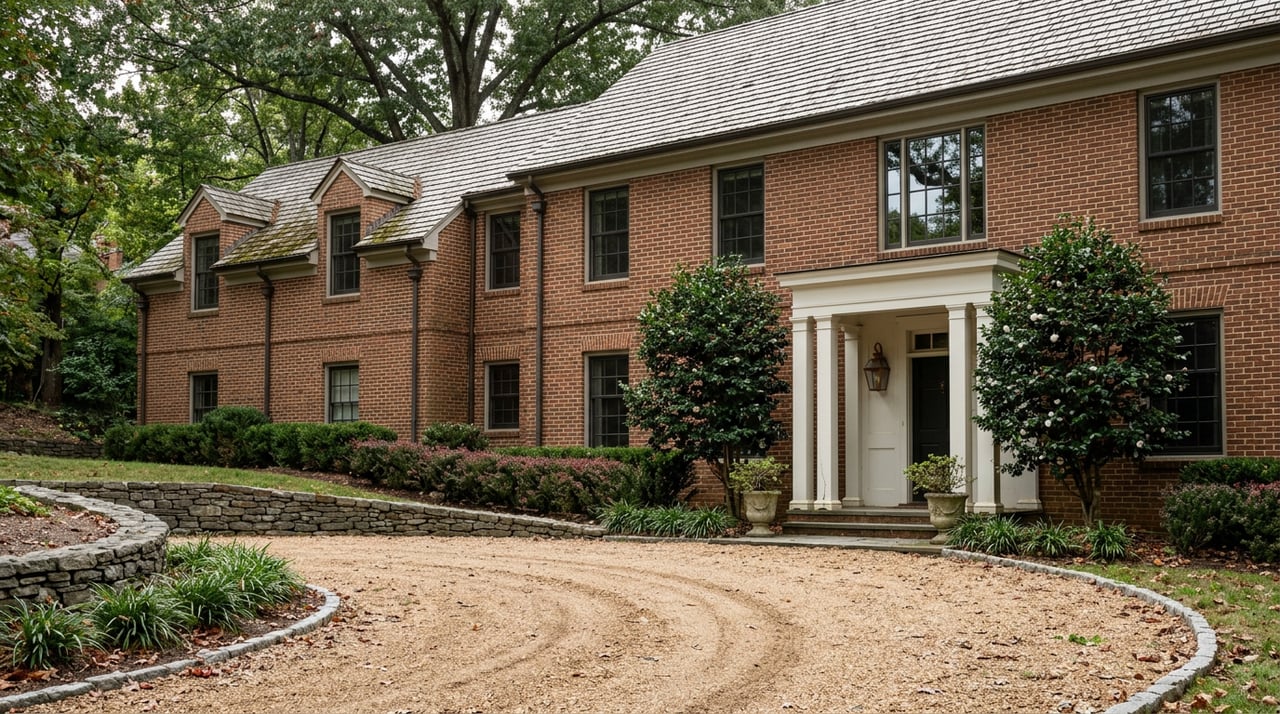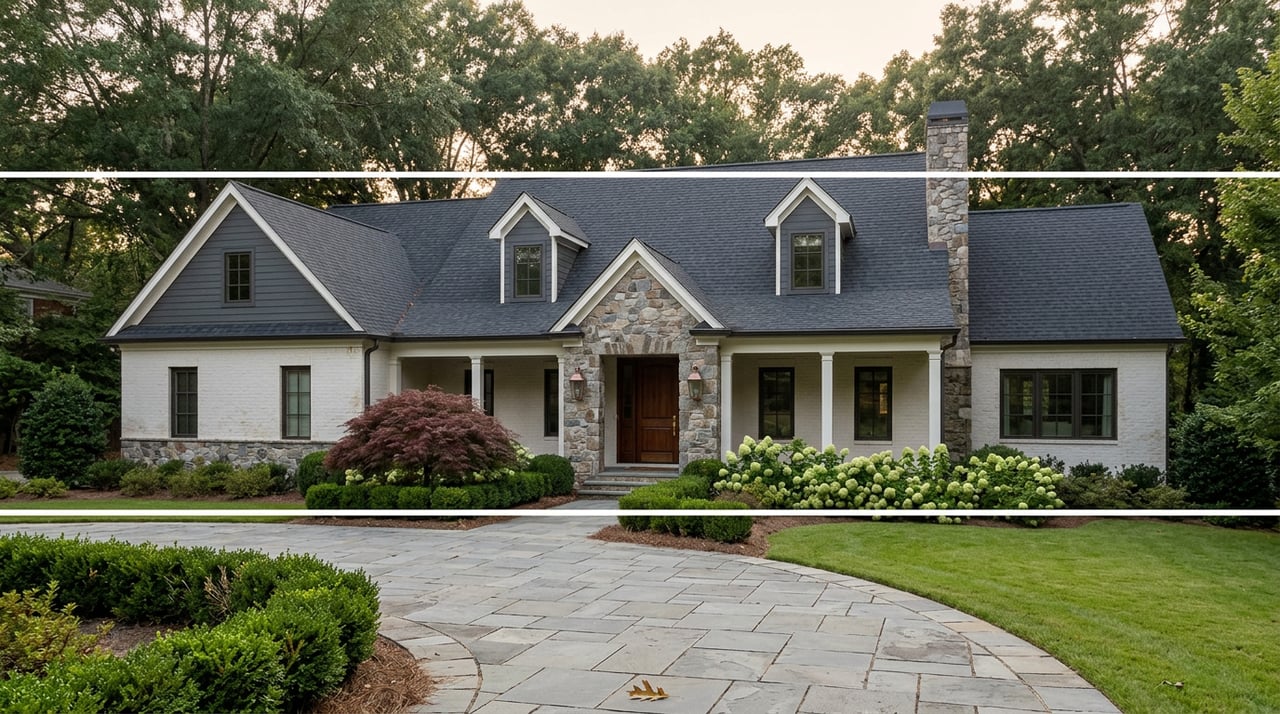
Scroll through the handful of active listings in Chestnut Hills and one of them says it outright. The house adds nothing to the price. The lot is the product. Another listing a few doors down, on a comparable half-acre, is a finished custom build with a scullery, a pool bath, and a builder's name attached like a warranty. Both are sitting in the same tiny inventory, under the same neighborhood name, a few blocks from each other off Six Forks Road.
That is not a contradiction. It is how Chestnut Hills has worked for twenty years, and it is the single fact a buyer needs before they let a listing price talk them into anything.
"House has no value but it's a big lot." "BUILDERS, bring your plans and make your clients dreams come true."
Those aren't estimates from an appraisal. They're lines pulled straight from current listing copy in the neighborhood. Whoever wrote them wasn't trying to be poetic. They were pricing dirt, and they wanted the right buyer, meaning a builder or someone building through one, to skip past the front door and go look at the survey.
Twenty Years of the Same Trade
Chestnut Hills dates back to 1955, tucked behind North Hills in what's now the 27609 zip code. Most of what got built in that first wave was ranch houses and small two-story homes, the standard stock of a mid-century Raleigh subdivision. Starting around 2006, builders began buying that stock specifically to remove it. Dozens of those original houses have come down since then, replaced by larger, more custom homes built for buyers who wanted the location but not the 1955 floor plan.
Land in Chestnut Hills is scarce because the neighborhood is small and mostly built out. That scarcity is exactly why the teardown trade has held for two decades rather than fading after one cycle. Every original ranch that survives is a finite resource to a builder, and every finished custom home on a former teardown lot is proof the trade still pencils out.
Two Products, One Small Inventory
The mistake a buyer makes scanning Chestnut Hills listings is treating the asking price as a single signal. It isn't. It's two different signals wearing the same zip code.
| The Teardown Play | The Finished Custom Build | |
|---|---|---|
| What's actually for sale | The land under an aging house | A completed or presale home |
| Typical lot size | Roughly a third to over half an acre | Same range, already improved |
| Who's bidding | Builders and buyers building through them | Buyers who want to move in or close to it |
| What the price reflects | Site value, setbacks, and what can be built | Finish level, square footage, builder reputation |
| Where the risk sits | Site conditions, tree cover, easements | Change orders, timeline, spec accuracy |
A buyer who reads a teardown listing as a housing decision will overvalue a kitchen that's about to be demolished. A buyer who reads a finished custom listing as a land deal will undervalue the labor, the design, and the builder's track record baked into the number. The listing rarely spells out which column it belongs in. The photos, the acreage, and the language usually do.
The Names Doing the Rebuilding
The rebuilding side of Chestnut Hills isn't anonymous. It's a small, repeat roster of local builders whose names show up on presale and completed listings across the neighborhood: ICG Homes, Homestead Building Company, Custom Estate Homes, Bluestone Building, Stellar Blu Construction, and Exeter Building Company, with designer Tony Frazier's name attached to more than one of the larger builds. Several of these projects sit close enough to the North Hills Club, the private tennis, pool, and athletic complex nearby, that walkability to the club shows up as a selling point in its own right.
That roster matters for a practical reason. When a listing names the builder, you can look at that builder's other work in the neighborhood and get a real sense of finish quality before you ever schedule a showing. When a listing doesn't name a builder and instead talks about the lot, the site, or a buyer's own plans, that's your signal you're looking at raw material, not a finished product.
Why the Split Doesn't Show Up in One Number
Chestnut Hills is too small a neighborhood to generate a single reliable price statistic, and that is precisely the problem with treating any headline figure as the market. A median calculated across a handful of active listings will always blend a lot priced for its dirt with a lot priced for its finished square footage, and the blended number describes neither transaction accurately. The only way to read the neighborhood correctly is to sort each listing into one of the two columns before comparing it to anything else.
How to Read a Chestnut Hills Listing Before You Tour It
Before you schedule a showing, run the listing through a short checklist:
- Check the lot size against the house's age and square footage. A large lot paired with a modest, decades-old floor plan is a teardown candidate whether the listing says so or not.
- Look for a builder's name in the description. Its presence usually means you're looking at finished or presale product with a track record you can research.
- Read the photos for period finishes: original cabinetry, older window trim, dated bath tile. That's a tell for original 1950s-60s stock, not a recent rebuild.
- Note any language aimed at builders directly, phrases about bringing your own plans, presale opportunities, or site readiness. That's the neighborhood telling you what it's actually selling.
- Ask what's been approved or permitted on the site already. A lot with site work started or plans in hand is priced differently than raw land with none of that groundwork done.
None of this requires a contractor's license to work through. It just requires reading the listing as two possible stories instead of one.
A Short FAQ for Chestnut Hills Buyers
Is every older house in Chestnut Hills a teardown candidate? Not automatically, but the neighborhood's twenty-year infill pattern means age and lot size are the two variables worth checking first. A smaller lot under an older house is a different proposition than a half-acre lot under the same house.
Does a named builder guarantee a certain price point? No, but it gives you a paper trail. Builders working repeatedly in the same neighborhood build a visible body of work you can compare, which is more than a generic "custom home" description offers on its own.
Should I expect to compete for a teardown lot the way I would for a finished home? The two products tend to attract different buyer pools. Builders evaluating a lot are pricing site conditions and construction cost, not comparing finishes, so the competitive dynamics and the timeline to close often look different from a finished-home negotiation.
Chestnut Hills rewards a buyer who reads the listing twice, once for what the photos show and once for what the land underneath is actually worth. That second read is where a construction background changes the outcome, whether you're evaluating a lot's buildable potential, sorting out which builder's name on a presale listing means something, or deciding what a half-acre under an aging ranch is really worth before someone else's offer beats yours to it.
If you're weighing a Chestnut Hills purchase, or wondering what your own lot in the neighborhood could support, Jared L Cozart has spent twenty years on the construction side of exactly this kind of decision. You can start with a home valuation, browse more on the Chestnut Hills neighborhood page, or see how it compares to the adjacent North Hills market. Let's Connect when you're ready to talk specifics.